Explore Jaipur
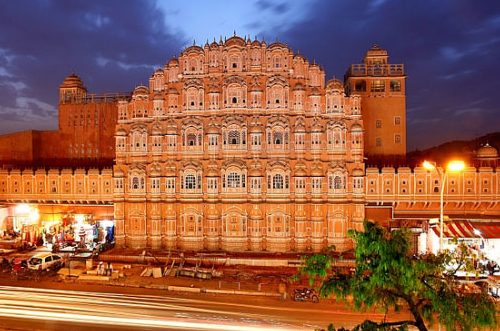
A stunning presentation of the rich architectural expertise of the past, Hawa Mahal is a not-to-miss tourist places in Jaipur. The Mahal was constructed by Maharaja Sawai Pratap Singh in 1799. True to the name it earned as the ‘Palace of the Winds’, Hawa Mahal has 953 windows to provide ventilation. The five-storey building does not have steps to reach upper floors. Slopes connect the storeys and it is said that the Mahal was constructed to enable the Royal women of Rajput family to view the happenings in the city. You would want to visit the archeological museum in Hawa Mahal during your visit.
Visiting Hours: 9:00 a.m. to 4:30 p.m.
Entry Fee:
For Indians: 10Rs.
For Foreign Nationals: 50 Rs.
Entry is Free on Monday and Closed on Friday
CLICK HERE to see relevant packages.
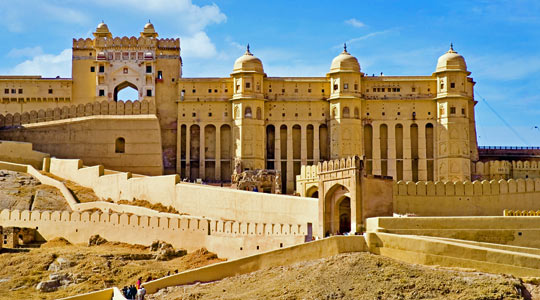
Also known as Amer Fort, it is located in Amer, which is around 11 kilometers from Jaipur. It was constructed by Raja Mansingh in the year 1592. It was later expanded by Raja Jai Singh I. The red sandstone and marble stone construction reflect a blend of Hindu-Muslim architecture. The main entrance faces east and there are three more entrances. There are four courtyards in Amber Palace. One of the courtyards has the Public Audience Hall, called the Diwan-i-AAm. The place provides you an opportunity to ride on elephant. Though it is only a ten-minute walk to the fort, which is uphill, you will want to try it on an elephant.
Visiting Hours: 8:00 a.m. to 5:30 p.m.
Entry Fee:
For Indians: 25Rs. (Inclusive of Entry & Camera )
Foreign Nationals: 150 Rs. (Inclusive of Entry & Camera )
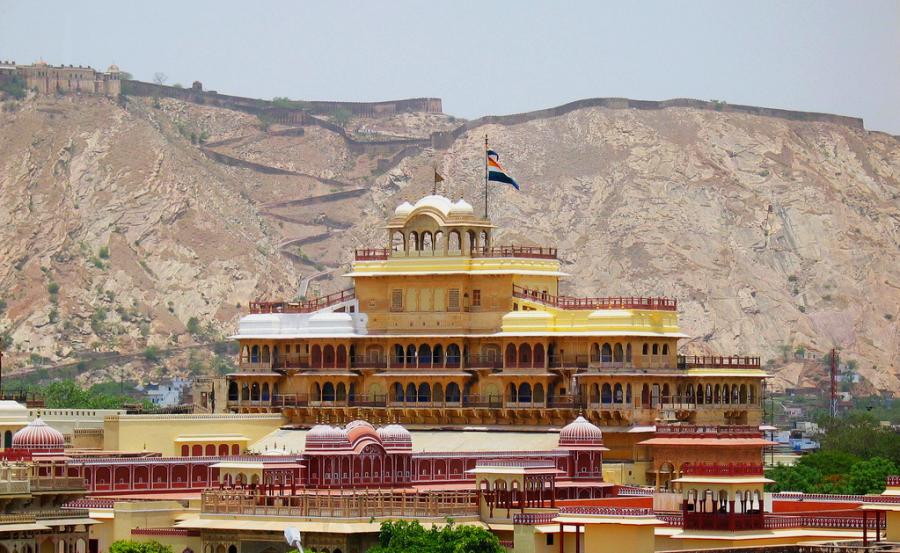
Once you are in Pink City, you will naturally be inclined to visiting City Palace, which is situated in Pink City. It was constructed by Sawai Jai Singh II between 1729 and 1732 AD. The palace complex comprises of Chandra Mahal and Mubarak Mahal. Now, Chandra Mahal has been converted into museum that houses exclusive handcrafted products and other products that depict the cultural heritage of the kingdom. Not only will you enjoy the architecture, you will be awe struck by the glorious view of Pink City from here.
Visiting Hours: 8:00 a.m. to 5:30 p.m.
Entry Fee:
For Indians: 25Rs. (Inclusive of Entry & Camera )
Foreign Nationals: 150 Rs. (Inclusive of Entry & Camera )
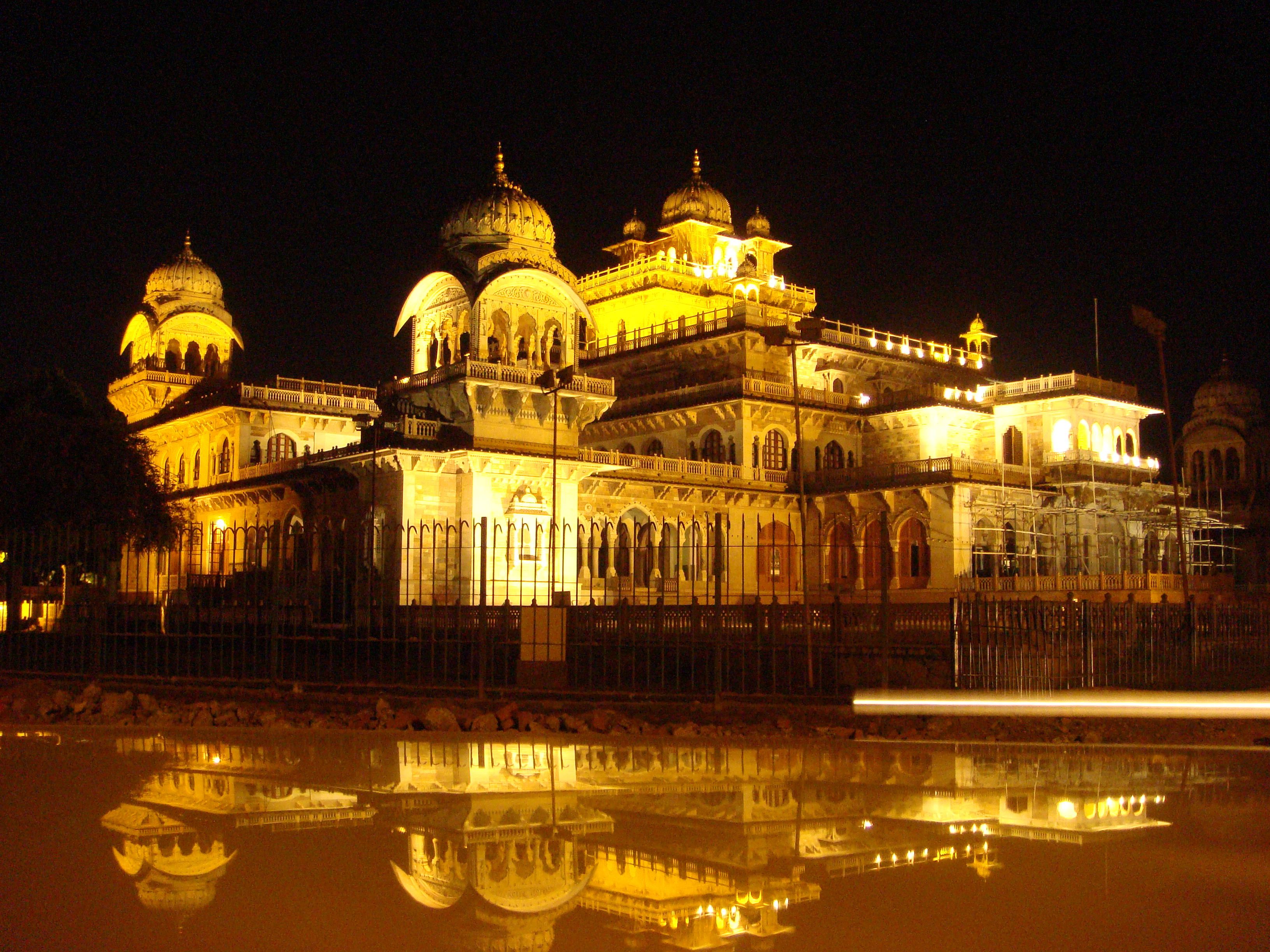
After the foundation stone of this museum was laid in 1876 to commemorate the visit of the Prince of Wales, there arose confusion about the usage of this hall. Plenty of suggestions came in asking for using this hall for educational or political use, none of which held good! In the year 1880, one of the local surgeons of Jaipur, Dr Thomas Holbein Hendley suggested to the then ruler of Jaipur, Maharaja Sawai Madho Singh II to open a museum within this hall. The Maharaja liked this suggestion and thus Albert Hall Museum took shape. In the beginning stage, Albert Hall Museum displayed the products of local artists and craftsmen. With passing centuries, collections in this museum have increased to a great extent and have brought this museum to international level. This museum is also home to one of the six ‘Egyptian Mummies’ in India. This Mummy was gifted as a souvenir to the museum by the Brughsch Bey of the Museum of Cairo.
Visiting Hours:9:00 a.m. to 5:00 p.m.
Entry Fee:
For Indians: 25Rs. (Inclusive of Entry & Camera )
Foreign Nationals: 150 Rs. (Inclusive of Entry & Camera )
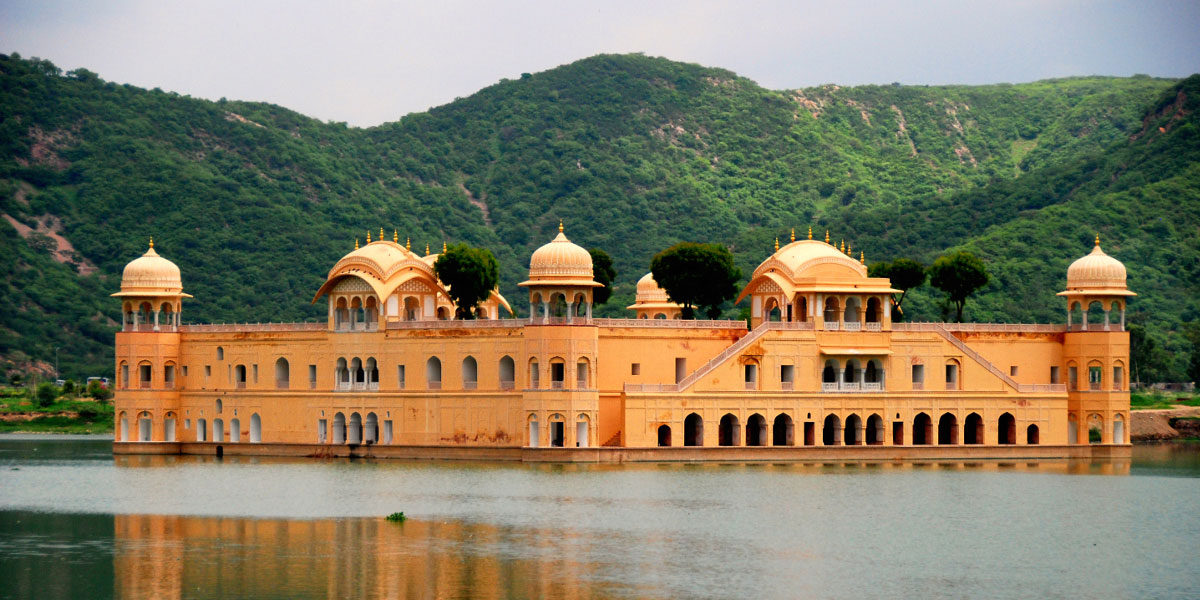
It was during the Rajput era that India has seen some of the glorious forts and palaces. Jal Mahal or the Water Palace is one of the classic names in the list of Rajputana architecture. Located in the middle of the Man Sagar Lake, this palace is also a fusion of Mughal and Rajput styles of architecture. Built in red sandstone, Jal Mahal is a five-storey building, of which four storeys remain underwater when the lake is filled. This in turn, offers a breathtaking view of the palace and makes it one of the important Jaipur tourist places. Since the palace is located in the middle of the lake, traditional boats are used to reach the palace. The clear water of the lake and the scenic Aravalli mountain range dotting this palace, offer a splendid view of Jal Mahal. The location of Jal Mahal makes it an indigenous home to some of the colourful migratory birds, several species of fish and rich flora and fauna. Flamingo, Great Crested Grebe, Pintail, Kestrel, Coot and Grey Wagtail are some of the migratory birds that can be found around Jal Mahal.
Visiting Hours: 6:00 a.m. - 6:00 p.m.
Photography allowed:Yes
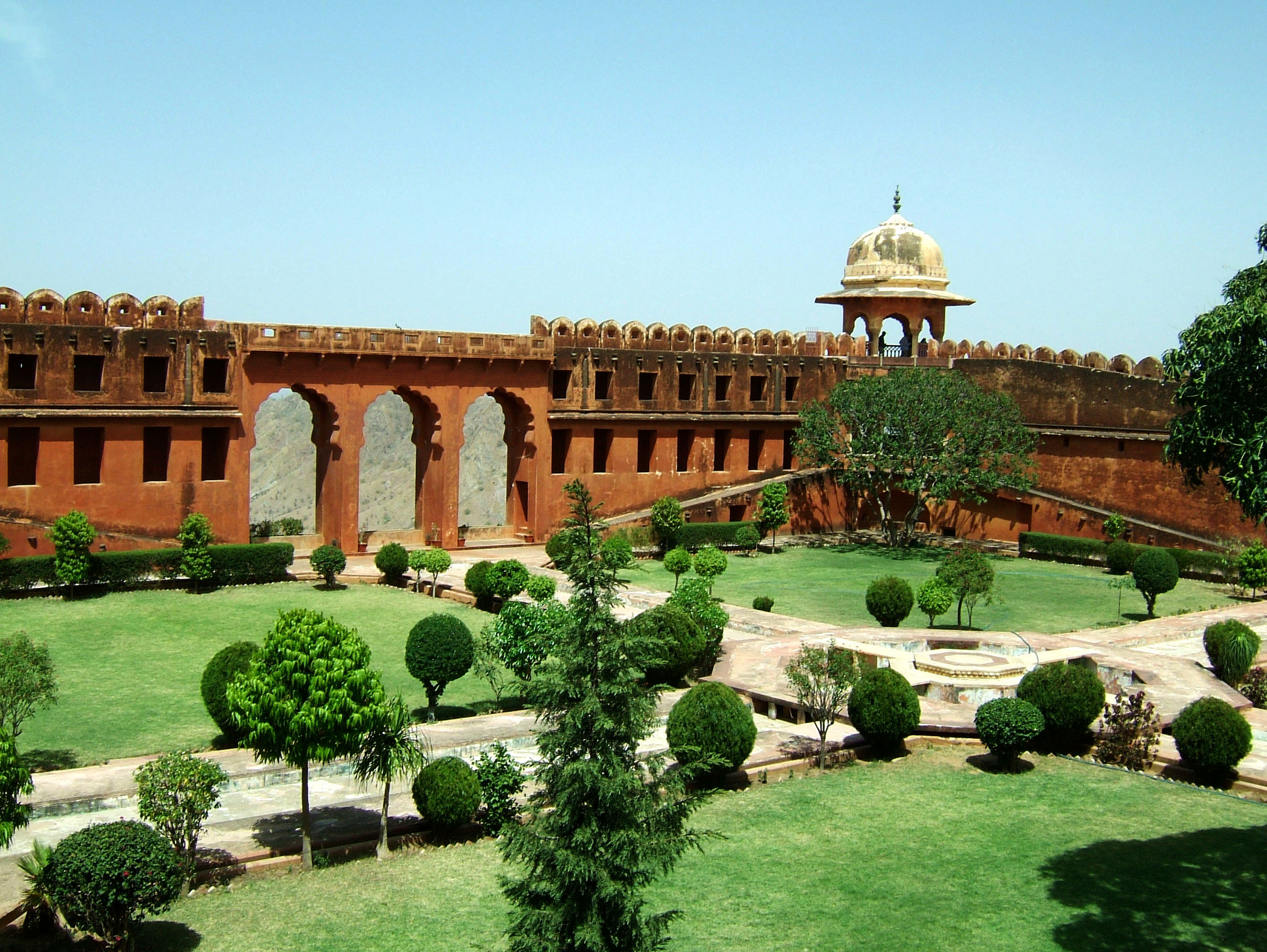
Each of the palaces and forts in Jaipur is unique in its own way. Amongst all the forts and palaces, Jaigarh Fort is the most spectacular in the list of places to visit in Jaipur. This fort is situated on the rugged promontory of the Aravalli Hills, called the Cheel ka Teela or the Hill of Eagles. If the majestic appearance of Jaigarh Fort has to be compared with other forts and palaces in Jaipur, it will surely stand ahead of most. Built in the year 1726 by Jai Singh II, Jaigarh Fort is also known as the Fort of Victory. The thick walls of this fort are of red sandstone, run about 3 km, and are dominated by watchtowers. The granaries, water reserves and storage systems in this fort are the finest examples of ancient science and technology. Some of the best places to visit here are the Ram Harihar Temple, Kal Bhairav Temple and a museum that showcases primitive arms and ammunition. Once a popular cannon foundry of the Mughals and Rajputs, Jaigarh Fort is also home to Jaivana, the world's largest cannon-on-wheels.
Visiting Hours:9:00 a.m. to 4:30 p.m.
Entry Fee:
For Indians: 25Rs. (Inclusive of Entry & Camera )
Foreign Nationals: 150 Rs. (Inclusive of Entry & Camera )
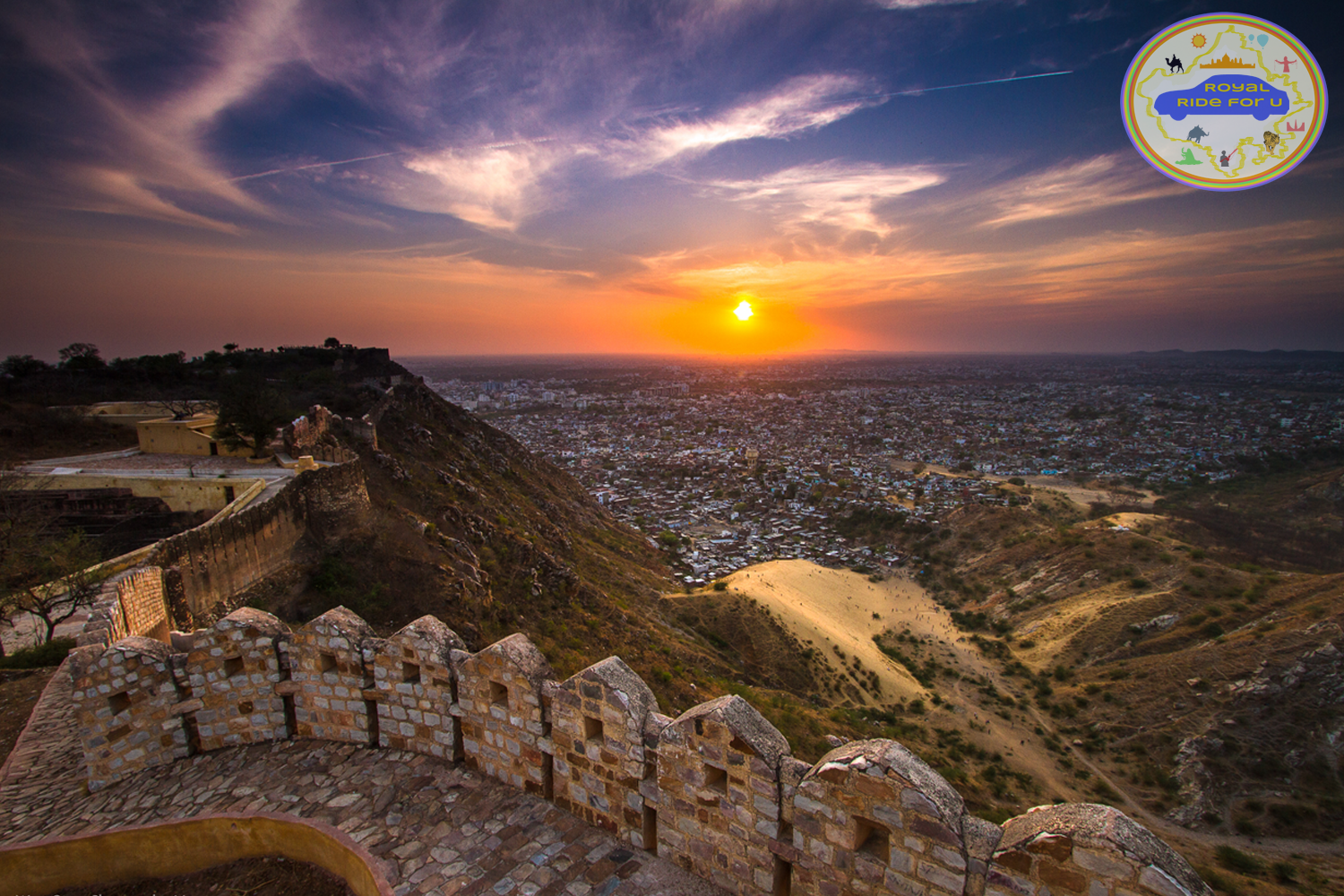
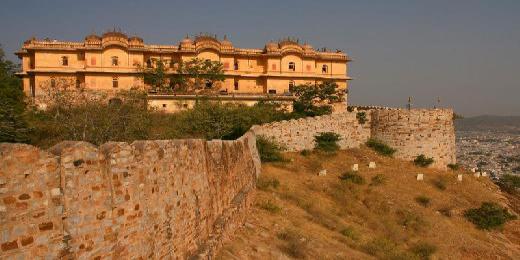
To get a panoramic view of Jaipur city, Nahargarh Fort is the ideal place to visit. Built by Jai Singh II, Nahargarh Fort was originally named Sudarshangarh, and was later renamed as Nahargarh or the Abode of Tigers. The then Maharaja of Jaipur constructed this fort in order to tighten the security of the region. It also served as a safety shelter to the British wives during the Sepoy Mutiny of 1857. Located on the rocky ridge of Aravalli Hills, Nahargarh Fort offers the most striking view of Jaipur’s scenic landscape. During the night, when the entire Jaipur city gets lit up, Nahargarh Fort offers the most sparkling view of the entire city. Rooms in this fort are connected through common corridors and are well decorated with delicate wall and ceiling paintings. The royal families also used this fort as a popular destination for their summer excursions and picnics. Jungles around Nahargarh Fort served as popular hunting places for the Maharajas of Jaipur.
Visiting Hours: 9:30 a.m. to 5:30 p.m.
Entry Fee:
For Indians: 10Rs (Adults)
For Foreign Nationals: 50 Rs (Adults)
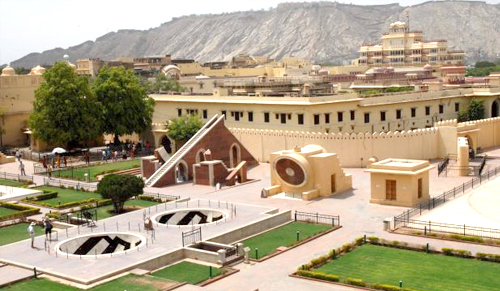
If you have any doubts about having to spend your time at an observatory on your tour, reconsider it. Jantar Mantar is not just like any other average observatory; it is ranked amongst the largest observatories of the world. Built during the period of Maharaja Jai Singh II, the astronomical observatory has the largest sundial of the world. Maharaja Jai Singh II had avid interest in various subjects including architecture, astronomy, philosophy and astronomy. His keen interest in astronomy led him to construct the country’s largest observatory. The geometric devices available here are used in measuring time, observing constellations and orbits around the biggest star. The astrological instruments attract astronomers and architects from all parts of the world. Whatever your level of interest in space, you will be inspired by Jantar Mantar Observatory.
Visiting Hours:9:30 a.m. to 4:30 p.m.
Photography allowed:Yes.
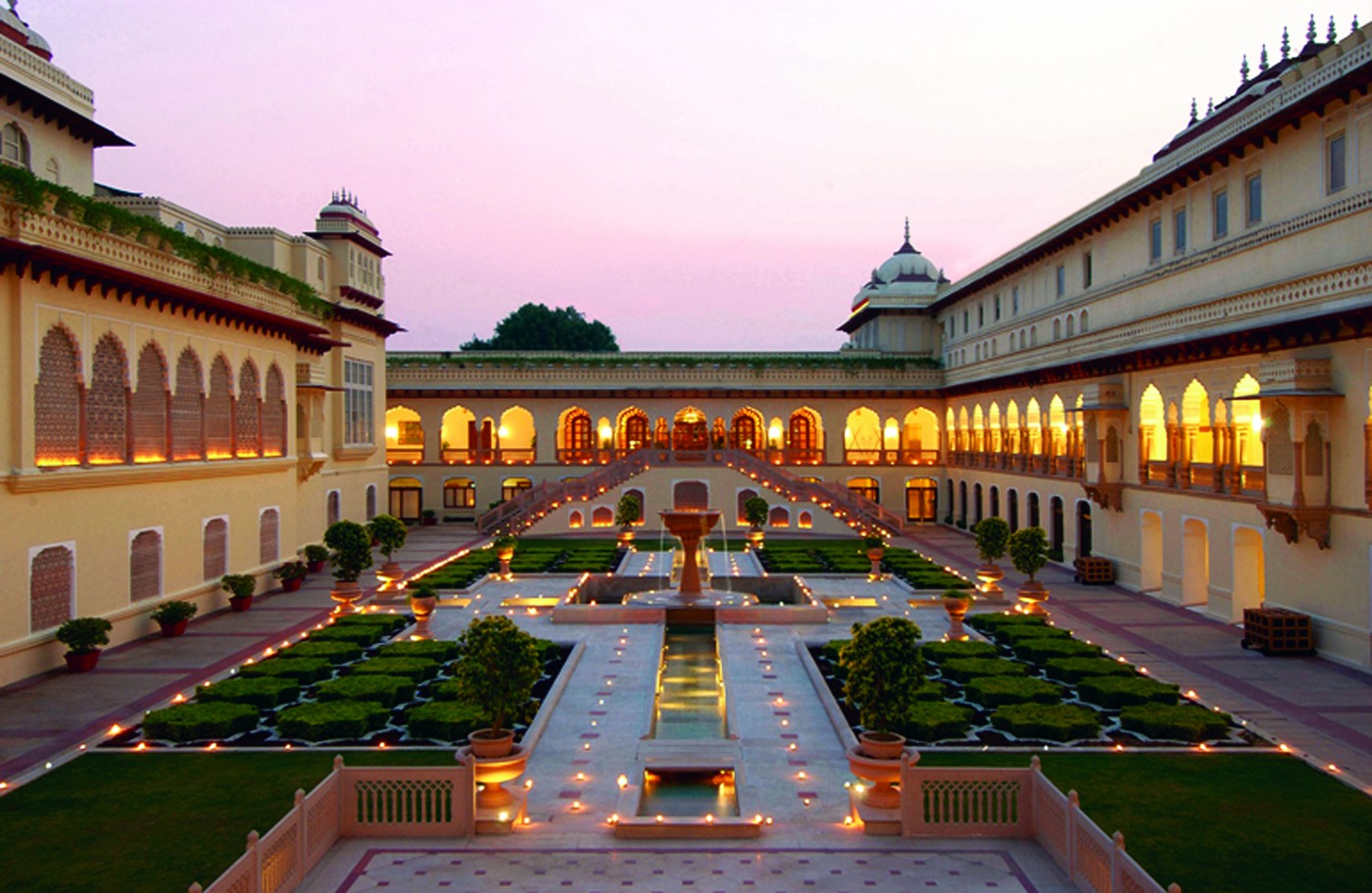
The once-upon-a-time residence of the Maharajas, Rambagh Palace now serves as one of the best hotels around the world. Rambagh Palace was initially a garden house for the wet nurse of Prince Ram Singh. Later in 1887, it was converted into a hunting lodge for the maharajas and their royal guests. Maharja Sawai Man Singh II constructed additional rooms and royal suites and renovated this palace as his principle residence during the 20th century.In the year 1957, Rambagh Palace was once again converted. However, this time it was the Taj Group of Hotels, who converted this exquisite palace into a five-star hotel.
Visiting Hours:6:00 a.m. - 6:00 p.m.
Photography allowed:Yes.
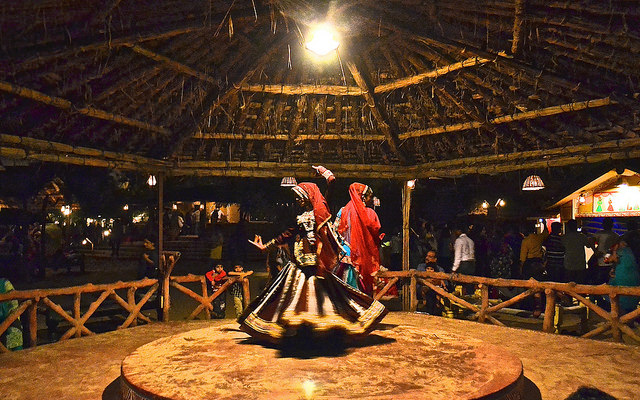
While travelling across various places in Jaipur, you might miss out the chance to enjoy certain festive celebrations of Jaipur. If that is the case, you do not have to worry anymore! Just visit Chokhi Dhani and witness the liveliness of Jaipur's celebrations, as the celebration never stops in Chokhi Dhani! Chokhi Dhani, the only five-star rated ethnic village resort in India, is one of the best places to visit in Jaipur. Located on the neighbourhood of Jaipur, Chokhi Dhani is the replica of a traditional Rajasthani village. Chokhi Dhani opened its cultural door to tourists in 1989 and since then, it has been entertaining its visitors with all the colours of Rajasthan’s ethnicities. Restaurants in Chokhi Dhani serves traditional Rajasthani foods that can make your appetite grow larger than you can ever imagine. While the folk music and traditional dancers will make your feet tap to their rhythm, health club, swimming pool and spas in Chokhi Dhani will help you relax your mind. While in Chokhi Dhani, you can also witness the popular puppet shows of Rajasthan.
Visiting Hours: All day, everyday.
Entry Fee:
For Indians: 500Rs (Inclusive of Entry & Camera )
Foreign Nationals: 1500 Rs. (Inclusive of Entry & Camera )
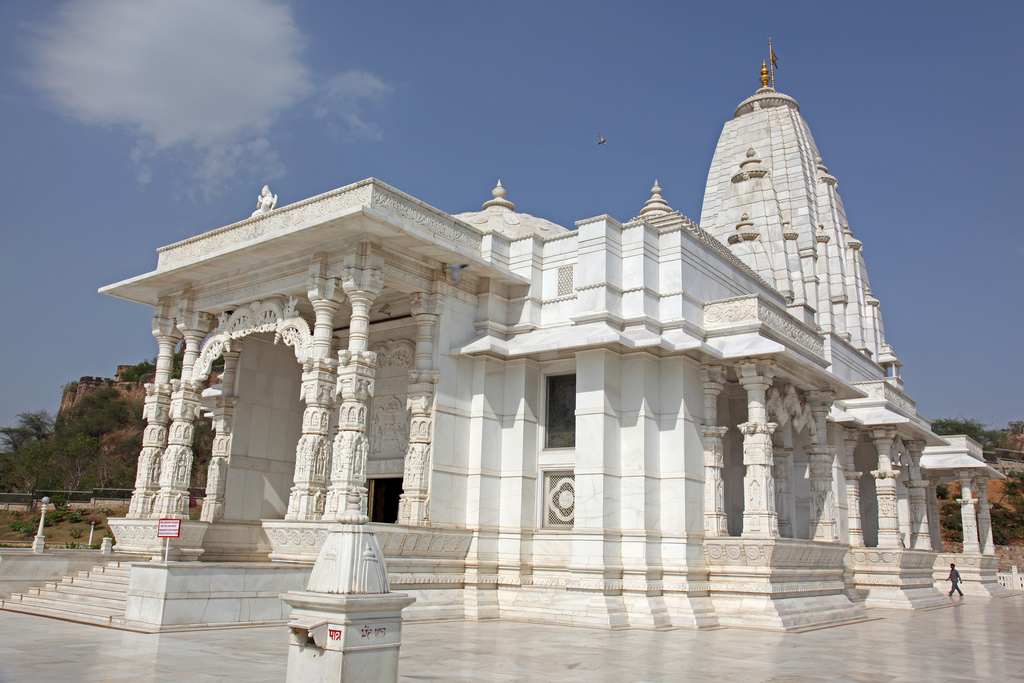
One of the important place in the list of places to visit in Jaipur is Birla Mandir. Also known as the Laxmi Narayan Temple, Birla Mandir is located at the base of the MotiDungari Hill in Jaipur. With Lord Vishnu and Goddess Laxmi as the main deities, this sacred temple also makes it to the list of the main attractions in Jaipur. Built in white marbles, the main building of the place of worship mesmerizes the onlookers with it stunning beauty during the evenings.
Visiting Hours: 8:00 a.m. to 5:30 p.m.
Photography allowed:No.
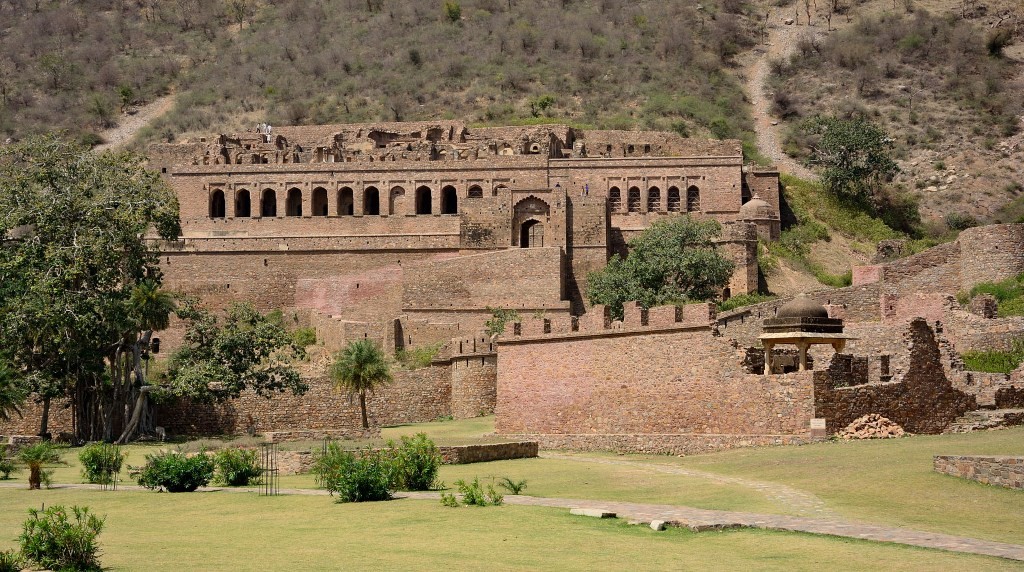
Bhangarh Fort is situated on the border of Sariska Tiger reserve in the Aravali range in the deserted town of Bhangarh, Rajasthan. Bhangarh is a ruined town between Jaipur and Alwar. Bhangarh fort is a major tourist attraction and is said to be one of the most haunted historical places in the world. Many myths are related with this haunted fort. About the town of Bhangarh, it was established in 1573 by King Bhagwant Das who had two sons. His elder son was Man Singh, the famous General of Mughal Emperor Akbar and the younger one was Madho Singh. Bhagwant Das developed Bhangarh as the residence of his younger son Madho Singh who lived and ruled Bhangarh his whole life. Madho Singh named the city after his grandfather Man Singh who was also known as Bhan Singh and now the city is recognised as " Bhangarh".
Visiting Hours: 8:00 a.m. to 5:30 p.m.
Entry Fee:
For Indians: 25Rs. (Inclusive of Entry & Camera )
Foreign Nationals: 150 Rs. (Inclusive of Entry & Camera )
For any Query :
  A-1 Veena Rasidency
        Sector-22
        Dwarka
        New Delhi 110077
Amity University Rajasthan
  Phone: +91 7073160843
  Email: pushpitojha6376@gmail.com.com
  Email: yasho260@yahoo.com